CDC Updates A(H5) Bird Flu Situation in US

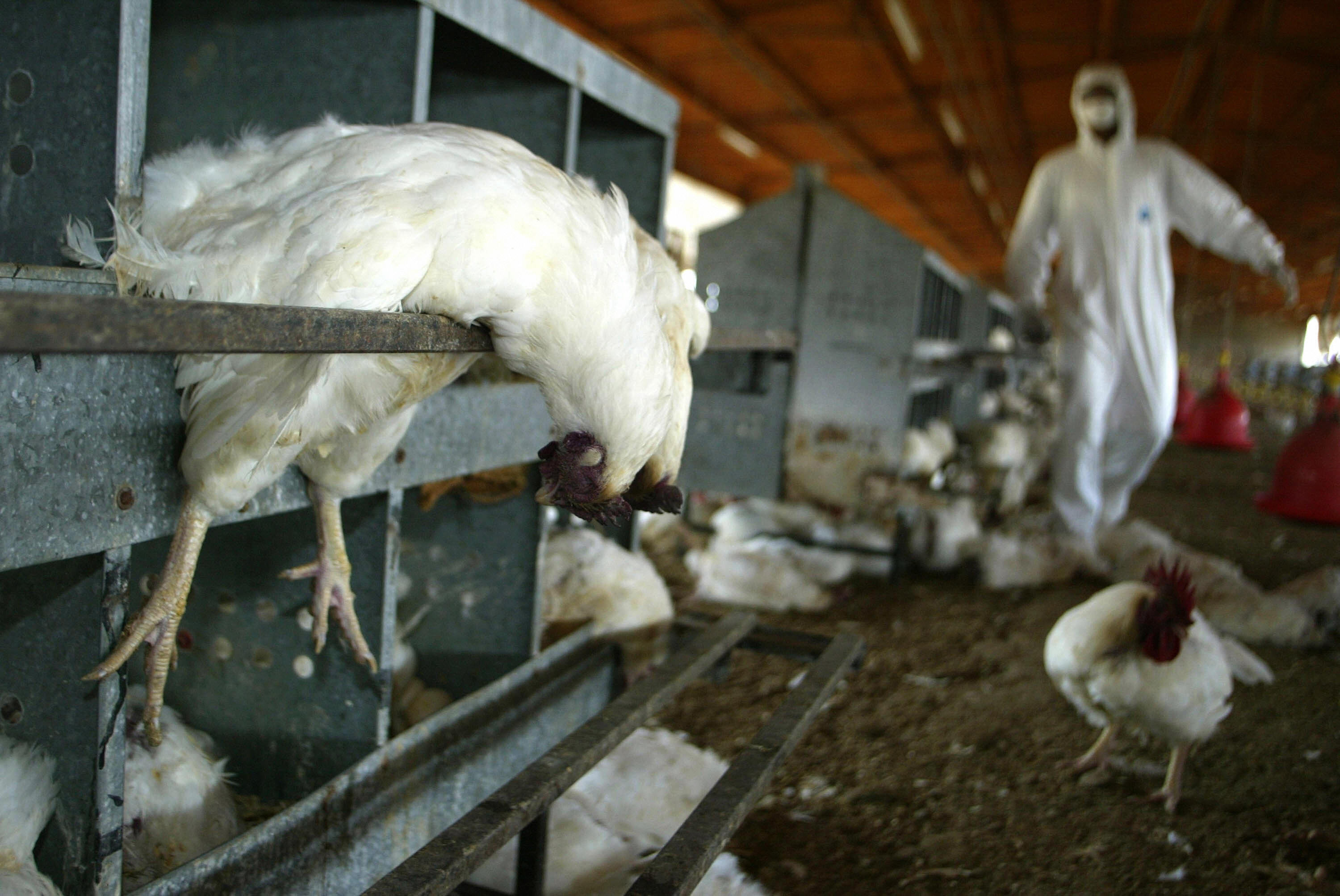
The Centers for Disease Control and Prevention just shared a fresh update on the A(H5) bird flu situation in the United States. Health officials are tracking the virus to see where it spreads and how it affects people and animals. This new report gives the latest facts on public safety and current risk levels.
What is the current A(H5) bird flu situation?
The CDC continuously monitors outbreaks of avian influenza in wild birds, farm animals, and poultry flocks across the country. Government scientists test samples daily to catch any changes in how the virus behaves. Their main job is to watch for any signs that the virus might pass more easily between people.
This regular monitoring helps state and local health teams react quickly if a new case shows up in their area. By sharing these updates, the agency lets farmers, doctors, and the public know what is happening on the ground. Staying informed is the best way for communities to prepare and stay safe from potential health threats.
How does bird flu spread to humans?
People usually get exposed to Influenza A virus subtype H5N1 through direct contact with sick birds or infected farm animals. Farm workers and people who handle poultry face the highest daily risk of coming into contact with the virus. When sick animals shed the virus in their saliva, mucus, or waste, human workers can breathe it in or touch their own faces.
Health experts recommend simple safety steps to keep everyday workers safe from exposure. These steps help prevent the virus from moving from animal populations into human homes. Here are the key ways people can protect themselves around farm animals:
- Wear protective gear like masks and gloves when handling sick birds.
- Avoid touching wild birds or unwashed surfaces in animal barns.
- Wash hands thoroughly with soap and water after visiting farm areas.
- Report sick or dead birds to local animal health authorities right away.
What does this update mean for your health?
For most everyday people, the immediate health risk from this animal virus remains low. The CDC works closely with food safety agencies to make sure the commercial food supply stays safe for shoppers. Normal grocery items like properly cooked eggs and pasteurized milk are still safe to eat and drink.
Doctors and public health workers use these official updates to spot symptoms early in patients who work near farm animals. Early detection lets medical teams treat sick individuals fast before any germs can spread to family members. Clear facts from health agencies keep communities calm while scientists do their jobs.
What will health officials watch next?
Scientists will keep testing animal samples and track any new cases over the coming weeks and months. They look closely at the genetic code of the virus to see if it mutates in ways that could make human spread easier. Government labs work around the clock to ensure existing medicines will work if more people get sick.
Local health departments will also continue offering guidance to dairy farms, egg producers, and backyard bird owners. If the situation changes, the CDC promises to release quick updates to keep the public safe. Following official health news helps everyone stay prepared without feeling panicked.
