New World Screwworm Cases Confirmed by Federal Officials

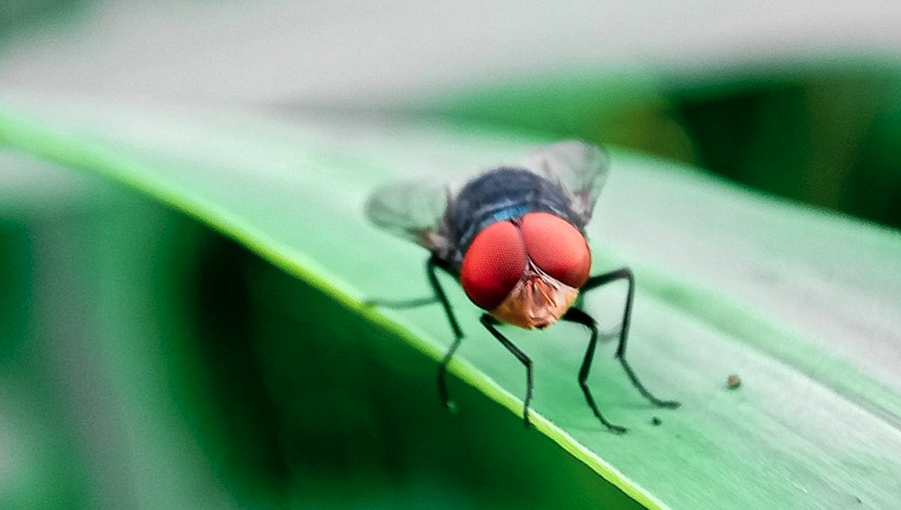
Federal officials have confirmed new detections of the New World screwworm. The Animal and Plant Health Inspection Service reported the findings to alert the public. This dangerous pest poses serious risks to warm-blooded animals and farm livestock.
What is the New World screwworm?
The New World screwworm is an insect fly whose larvae feed on the living flesh of warm-blooded animals. Adult flies lay their eggs in open wounds or tiny cuts. Once the eggs hatch, the larvae burrow deep into the tissue and cause severe damage to the host.
This pest can attack many kinds of animals, including cattle, pets, and wild creatures. In bad cases, untreated infestations can lead to death. Agricultural agencies track these flies closely because a widespread outbreak can threaten farming communities and food supplies.
Confirmed detections of New World screwworm
The Animal and Plant Health Inspection Service recently verified new cases of the pest. Finding these insects triggers fast action from health teams to stop any spread. Federal workers monitor borders, ranches, and transit points to catch signs of the fly early.
When inspectors discover a positive case, they look at nearby areas to see if other animals carry larvae. You can learn more about past and potential pest threats by reading about the 2026 United States New World Screwworm outbreak history. Quick tracking helps stop the fly from moving deep into major livestock regions.
What this means for farmers and animal owners
Livestock owners need to check their herds often for any signs of cuts or odd sores. Even a tiny scrape from a fence can attract adult flies looking for a place to lay eggs. Keeping wounds clean and treated helps keep animals safe from dangerous larvae.
Here are key steps animal owners should keep in mind during an alert:
- Examine animals daily for fresh wounds or unusual swelling.
- Treat open cuts quickly to stop flies from landing on them.
- Report any strange maggot findings directly to animal health officials.
- Avoid moving wounded livestock across state lines without an inspection.
What officials will watch next
Federal teams will continue checking traps and monitoring livestock movements to prevent new outbreaks. Traps help experts spot adult flies before they reach larger groups of cattle or wild animals. If more flies turn up, authorities can release sterile male flies to stop breeding cycles.
Local veterinarians and ranchers will work closely with government inspectors to share updates on animal health. Swift reporting ensures that small detections do not grow into a crisis. Everyone with pets or livestock in affected regions should stay alert and follow official safety advice.
